The Pacific is heating up, and scientists are bracing for the effects. The 2026 “super” El Niño could cause ecological damage around the world, Science reported on 13 October.
What is a super El Niño?
El Niño is a natural climate pattern in which the eastern tropical Pacific becomes unusually warm, shifting rainfall and temperatures across the globe. A “super” El Niño is an especially strong one. The World Meteorological Organization says this one is strengthening and is expected to peak around December.
What is at risk
- Coral reefs, through marine heatwaves and bleaching.
- Kelp forests and fisheries, as warm water disrupts the upwelling that brings nutrients to the surface.
- Forests, with higher fire risk in places such as the Amazon, Southeast Asia and Australia, according to the World Resources Institute.
- Drought, floods and heat in many regions, with knock-on effects for food and water.
How scientists are preparing
According to Science, researchers are not waiting. They are banking genetic material from vulnerable species, expanding wildlife monitoring, and drawing up rescue and restoration plans before the peak arrives. A recent PNAS paper made the case for preparing marine ecosystems now.
Why this time feels different
El Niño events come and go, but this one arrives on top of record ocean heat. That leaves ecosystems with less room to absorb another shock.
More in our Science section.
Sources: Science, 13 October 2026; WMO; WRI.
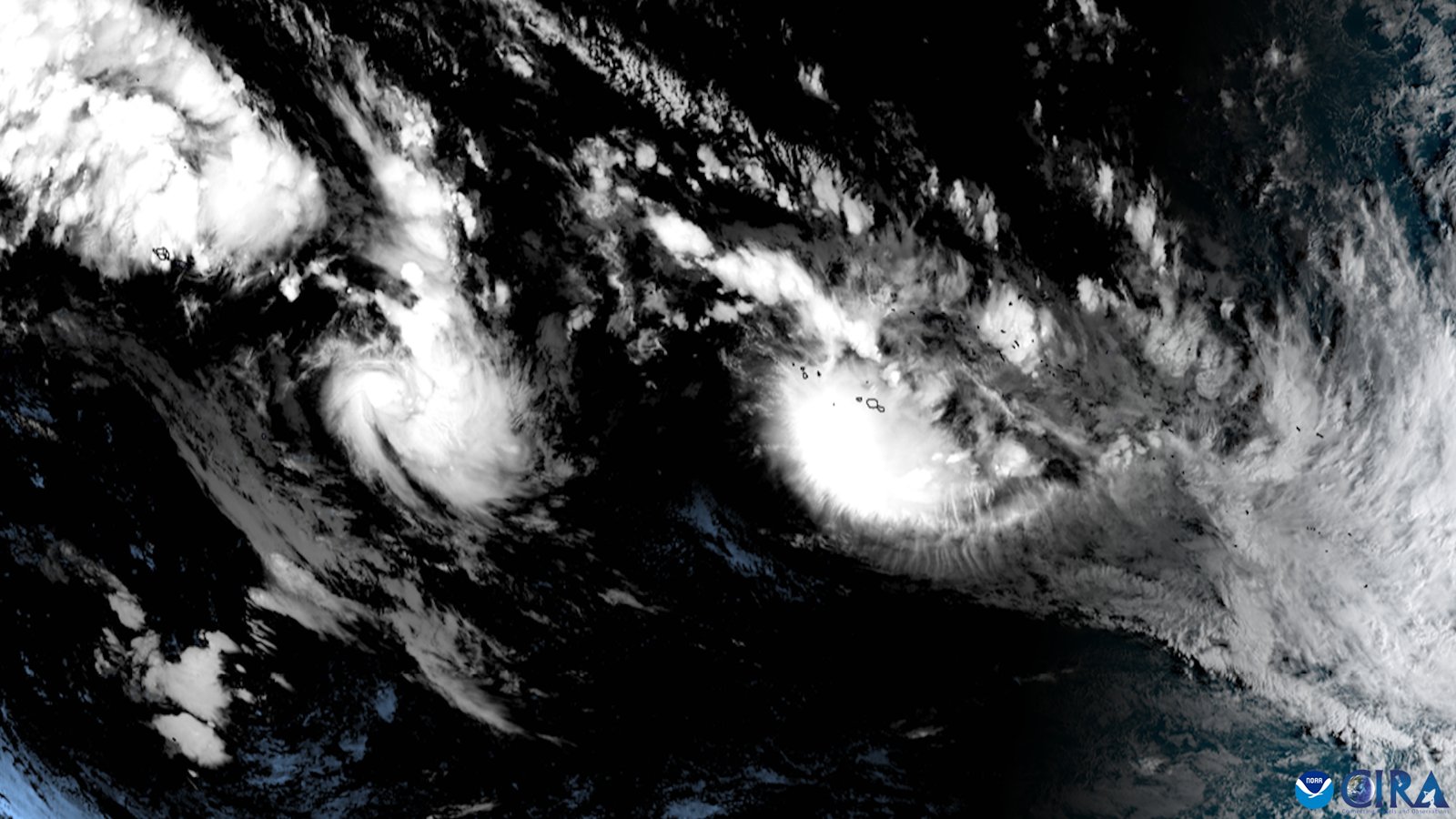
Featured image: Tropical Cyclones Nat and Eleven in the South Pacific (CIRA 2024-02-07) by GOES imagery: CSU/CIRA & NOAA, Public domain, via Wikimedia Commons.


