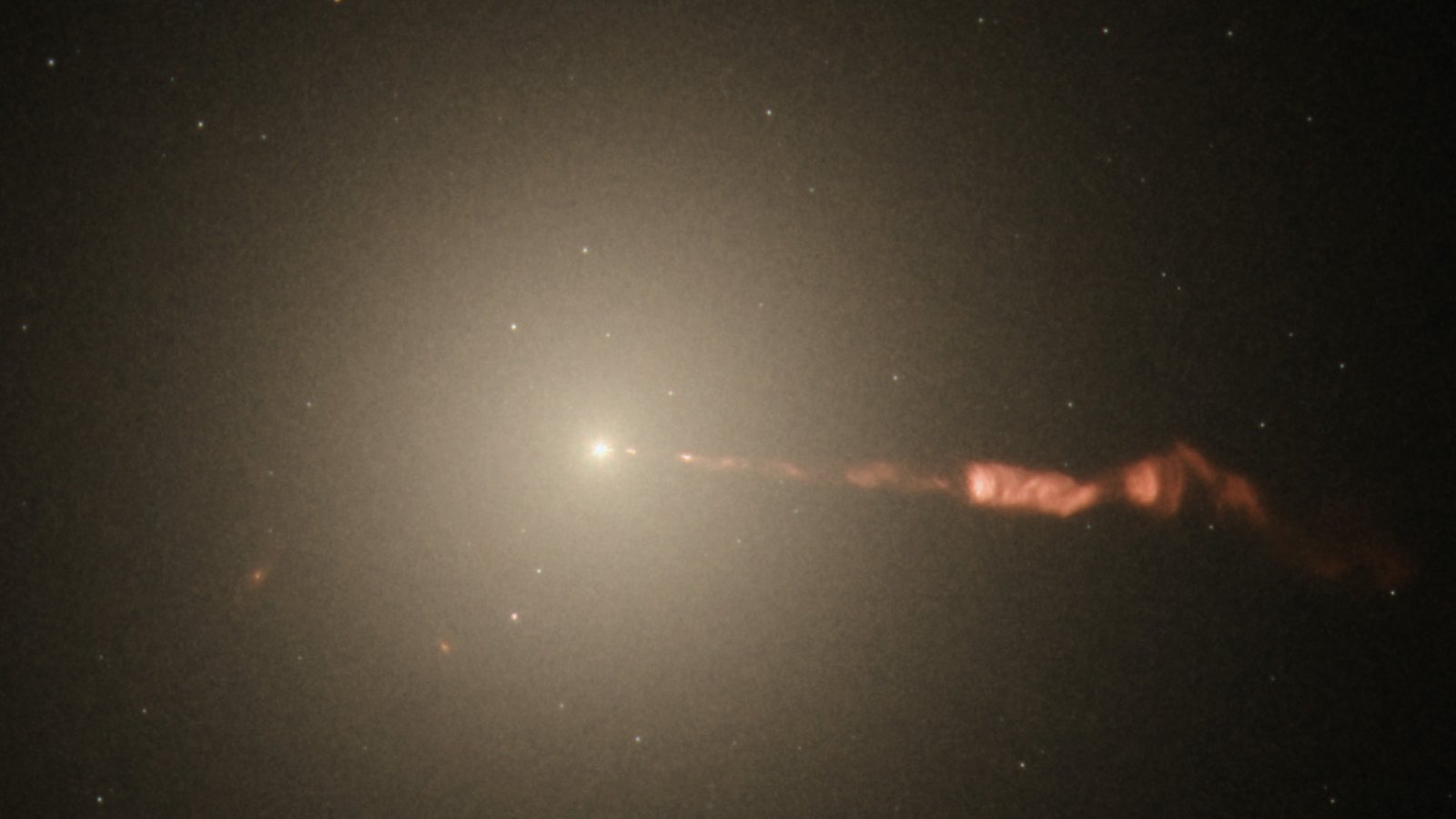
Our nearest large galactic neighbour just got a lot more crowded. A Canadian-led team has found more than 2,000 new galaxies in the Virgo Cluster, doubling the number of galaxies known to belong to it, the National Research Council of Canada announced on 13 October.
What is the Virgo Cluster?
The Virgo Cluster is the rich cluster of galaxies closest to the Milky Way. Because it is relatively nearby, it is one of the best places to study how galaxies live and change inside crowded environments.
The survey behind the discovery
The Next Generation Virgo Cluster Survey (NGVS), led by the NRC, has mapped the cluster in unprecedented detail. Its final catalogue, published in The Astrophysical Journal, lists more than 3,600 galaxies in the cluster.
“Over 2,000 of these galaxies are brand-new discoveries. The NGVS has allowed us to more than double the number of known Virgo members,” said Dr Patrick Côté, NGVS co-lead at the NRC’s Herzberg Astronomy and Astrophysics Research Centre.
Why so many were missed
Many of the newly found galaxies are faint and small, the kind that earlier surveys could not pick out. Deep images were needed to bring them into view.
More than a galaxy count
The catalogue is the result of a decade of work and more than 40 research papers. Because the images look through our own galaxy and deep into space, the data are also being used to map the “graveyard” of the Milky Way’s outer halo and to spot young clusters in the early universe.
For more space news, visit our Science section.
Source: National Research Council Canada, 13 October 2026.
Featured image: Messier 87 NIRCam by NASA/ESA/CSA JWST NIRCam; R. Tully et al. & Melina Thévenot, CC BY-SA 4.0, via Wikimedia Commons.

