Quick answer: Italy’s Law No. 172 of 1 December 2023, in force since 16 December 2023, bars food and feed businesses from producing, selling, importing, producing for export, serving or distributing food or animal feed made from cell cultures or tissues of vertebrate animals, the product usually called cultivated or lab-grown meat. The same law stops purely plant-based products from using meat names. It does not ban all “synthetic” or novel foods, and no cultivated meat has yet been authorized for sale anywhere in the EU.
Italy was the first country to pass a national ban on cultivated meat, and the law is still widely described in vague terms, from “Italy banned lab meat” to “Italy outlawed synthetic food”. Here is what the text actually says, who it applies to, the penalties, and how it fits with EU food rules.
What is cultivated meat?
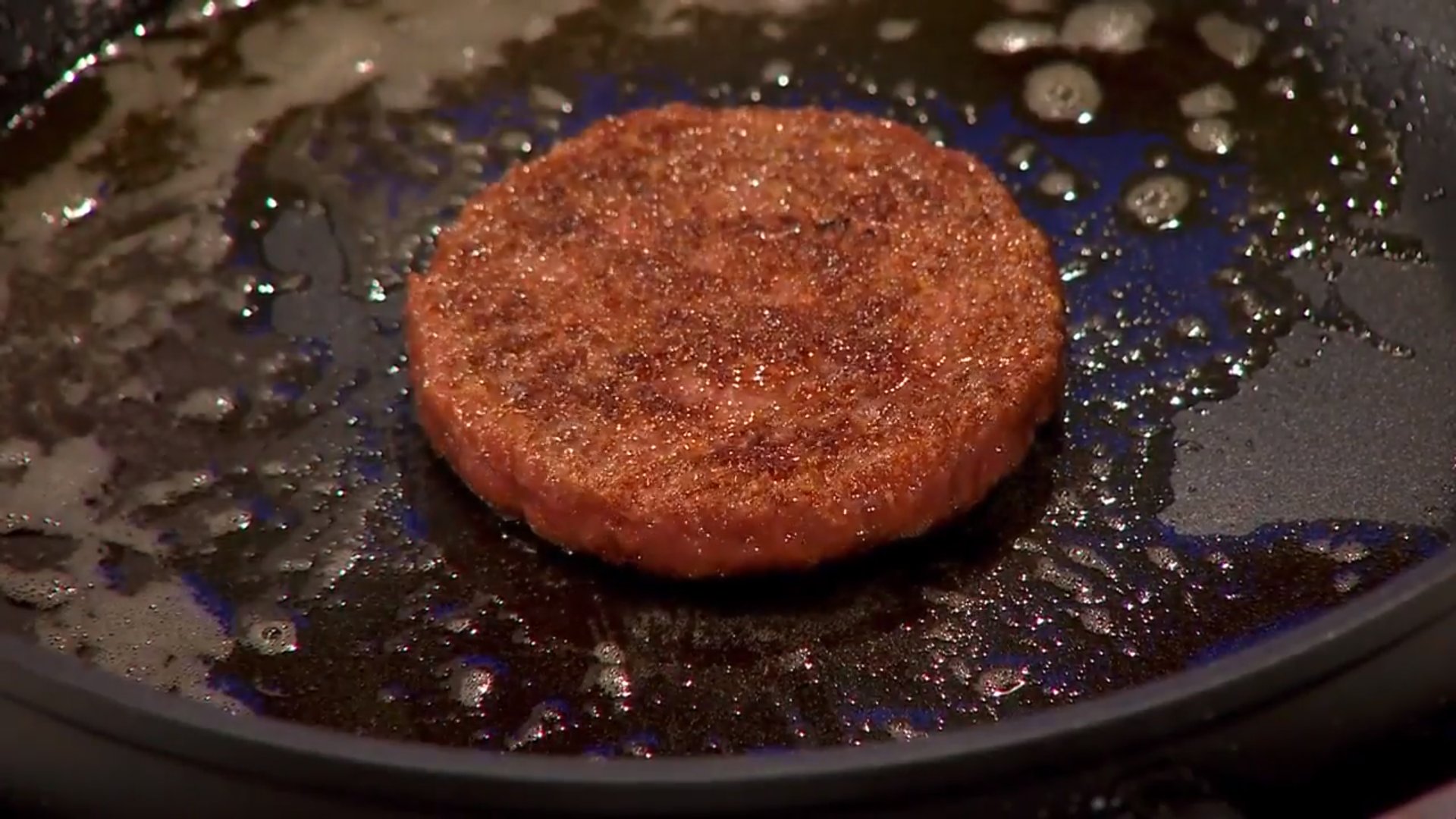
Cultivated meat (also called cultured, cell-based or lab-grown meat) is made by growing animal cells in a controlled environment instead of raising and slaughtering animals. The first cultured beef burger was presented in London in 2013 by Dutch researcher Mark Post. In the European Union, any such product counts as a “novel food” and needs a safety assessment by the European Food Safety Authority (EFSA) and approval by the European Commission and member states before it can be sold.
What exactly does Italy’s law ban?
The law’s official title is “Provisions on the ban on the production and placing on the market of food and feed consisting of, isolated from or produced from cell cultures or tissues derived from vertebrate animals, and on the ban on the meat designation for processed products containing vegetable proteins.” You can read the full text on Normattiva, Italy’s official law database.
Article 2: the cultivated meat ban
Citing the precautionary principle in EU food law, Article 2 forbids food and feed business operators to:
- use cell-cultured animal products in preparing food, drinks or feed;
- sell them or hold them for sale;
- import them;
- produce them for export;
- serve or distribute them for consumption, or promote them for those purposes.
The scope is limited to cells or tissues from vertebrate animals, such as cattle, pigs, poultry and fish.
Article 3: meat names on plant-based products
Products made exclusively from plant proteins may not use legal or customary names for meat, references to animal species or anatomy, or terms specific to butchers, delis or fishmongers. The rule does not apply when animal proteins are the main ingredient and consumers are not misled. The law asked the agriculture ministry to publish a list of the names concerned by decree.
What are the penalties?
Under Article 5, unless the conduct is a crime, operators who break Articles 2 or 3 face an administrative fine of €10,000 to €60,000, or 10% of the previous year’s turnover if that figure is higher, capped at €150,000. Violations also bring confiscation of the product, exclusion from public funding for one to three years and closure of the production site for the same period. The same sanctions apply to anyone who finances or promotes the banned activities. Checks are shared among health authorities, the Carabinieri food safety units, the agriculture ministry’s fraud inspectorate, the finance police and customs.
What the law does not do
- It is not a ban on all “synthetic” food. The text covers food and feed from vertebrate animal cell cultures and meat-style names on plant-only products. It says nothing about plant-based foods themselves, which remain legal to sell.
- It targets businesses, not consumers. The obligations and fines apply to food and feed business operators and to people who finance or promote the banned conduct.
- It does not mention scientific research. The prohibitions are framed around food and feed production, sale and distribution.
- It did not take products off shelves. No cultivated meat had been authorized in the EU when the law passed, and none had been authorized by the time of writing.
How does it fit with EU rules?
Under the EU’s Technical Regulation Information System (TRIS), member states must notify the Commission of draft technical rules and wait through a standstill period before adopting them. Italy notified the bill (notification 2023/0675/IT), but adopted it before that period ended. On 29 January 2024 the Commission closed the notification procedure for that reason, asking Italy to report on follow-up “in light of the relevant case law of the Court of Justice”. Italy’s agriculture ministry read the closure as confirmation that the law is compatible with EU law, while some legal scholars note that a closure on procedural grounds is not a ruling on substance.
Meanwhile, the EU approval route is moving slowly. French company Gourmey filed the first EU application for a cultivated meat product, a duck-cell foie gras, in July 2024. In a September 2026 answer to the European Parliament, the Commission said two cell-based meat applications had been submitted: EFSA is assessing one, and the other is awaiting further information.
Why it matters
For now, the law has little practical effect on shoppers, because there is no authorized cultivated meat to buy in Europe. It becomes more relevant if the EU approves a product: Italy’s ban would then sit alongside an EU-wide authorization, a tension that only courts or lawmakers could resolve. For more on how lab techniques are reshaping biology, see our pieces on synthetic biology in medicine and lab-grown coral. And if you are interested in the traditional Italian way of eating, read what a new meta-analysis found about the Mediterranean diet and cancer risk. For another food-safety story, see our coverage of the salmonella outbreak linked to recalled eggs.
Frequently asked questions
Is lab-grown meat illegal in Italy?
Yes, for businesses. Since 16 December 2023, food and feed operators may not produce, sell, import, produce for export, serve or distribute food or feed made from vertebrate animal cell cultures.
What are the fines under Italy’s cultivated meat law?
From €10,000 to €60,000, or 10% of annual turnover if higher, up to €150,000, plus confiscation, exclusion from public funding and closure of the production site for one to three years.
Did Italy ban plant-based meat?
No. Plant-based products can still be sold, but products made only from plant proteins may not use meat names or butchery terms.
Is cultivated meat approved anywhere in the EU?
Not yet. As of September 2026, the European Commission reported two applications: one under EFSA safety assessment and one awaiting further information.
Sources: Law No. 172/2023 (Normattiva); Gazzetta Ufficiale No. 281, 1 December 2023; European Commission, TRIS notification 2023/0675/IT; European Commission answer E-002888/2026; EFSA, Novel food; Politico Europe.
Featured image: the first cultured beef hamburger being fried at its 2013 presentation. Still from World Economic Forum video, CC BY 3.0, via Wikimedia Commons.


