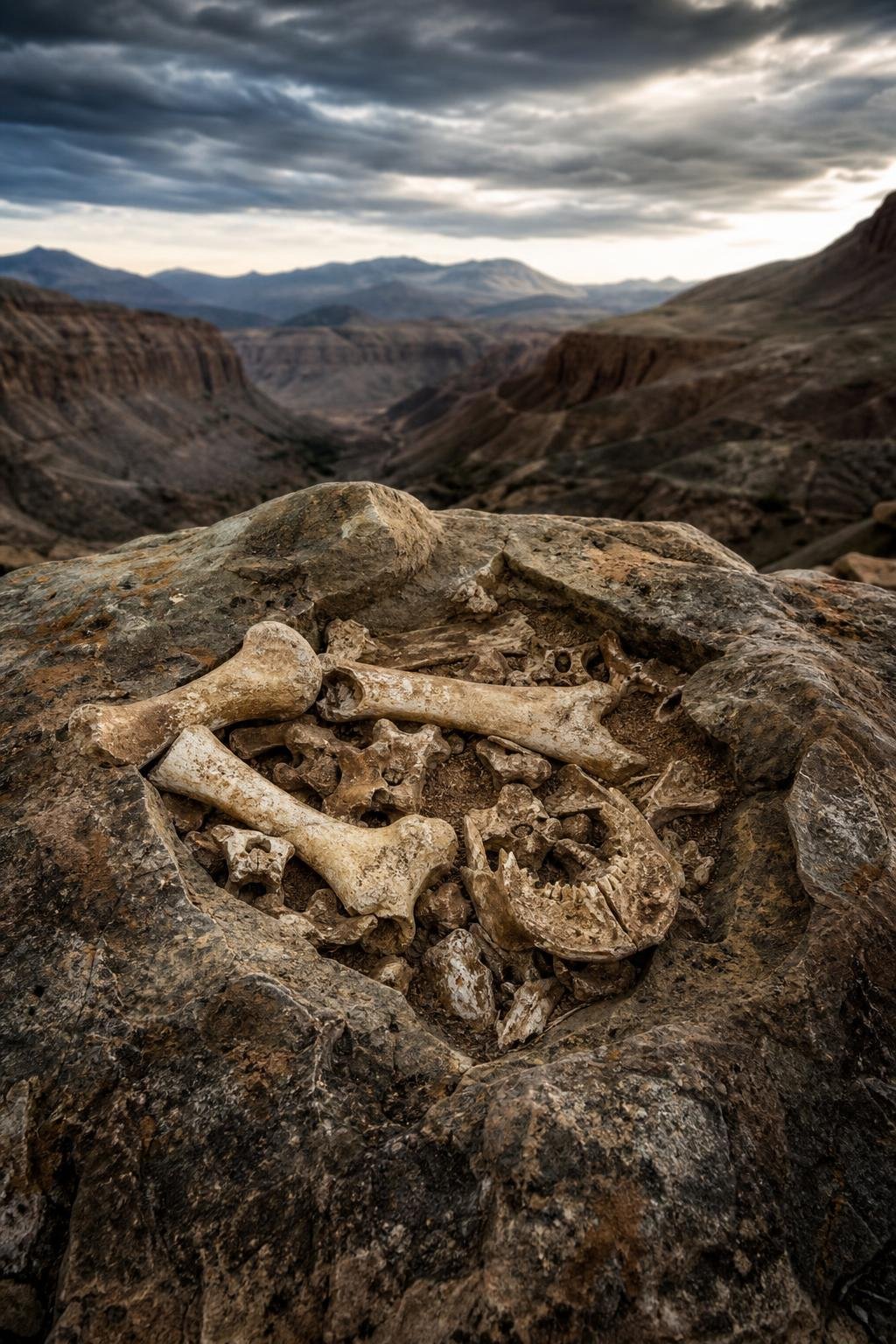
A set of butchered bones from central Chile is giving researchers another glimpse of how early people lived in the Americas. The remains, found in the basin of ancient Lake Tagua Tagua, include bones from gomphotheres—an extinct group of tusked mammals related to modern elephants. Their cut marks indicate that humans processed the animals at the site roughly 12,000 to 13,000 years ago, adding to evidence that people had reached and repeatedly occupied southern South America surprisingly early.
Evidence from an Ancient Lakeshore
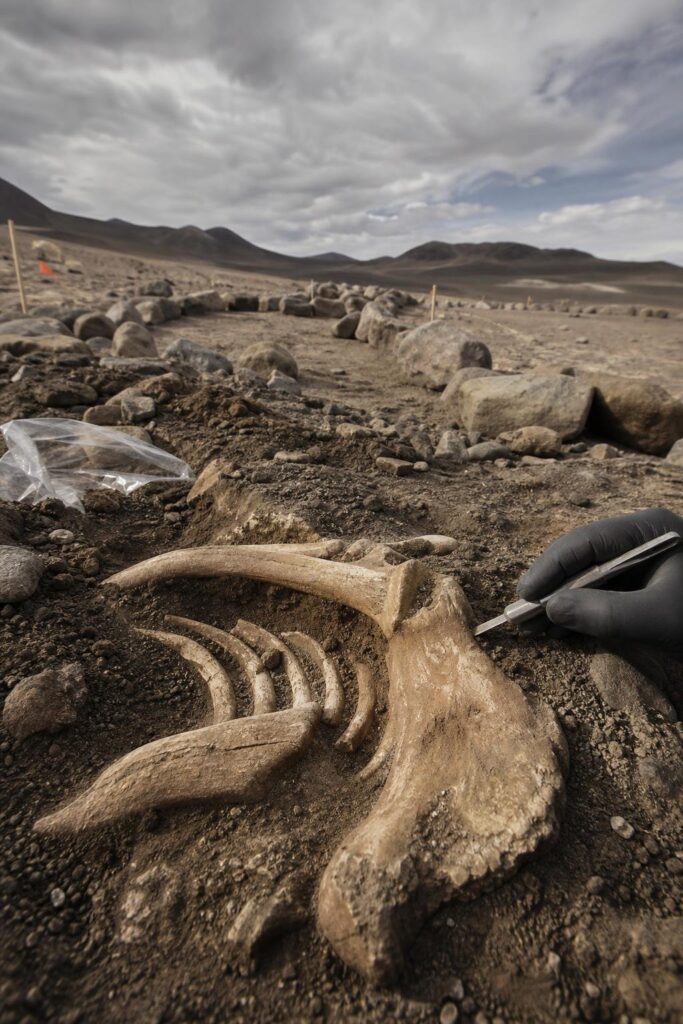
Excavations conducted over the past two years uncovered a large concentration of megafauna remains alongside stone tools, according to a Sept. 24, 2026 statement from the Catalan Institute for Human Palaeoecology and Social Evolution, or IPHES-CERCA. The discoveries come from the basin of ancient Lake Tagua Tagua in central Chile.
Several gomphothere bones bear clear cut marks. Those marks are important because they show more than the animals’ presence in the area: They indicate that people butchered them there. The combination of butchered bones and stone tools provides archaeological evidence of human activity at the lakeshore.
The remains and artifacts date to approximately 12,000 to 13,000 years ago. That period falls near the early stages of human occupation in South America, making the site relevant to the continuing discussion of when and how the first Americans spread across the continents.
Who Were the Gomphotheres?
Gomphotheres were extinct tusked mammals related to modern elephants. They belonged to the megafauna communities that lived in the Americas before disappearing. Finding their remains alongside signs of human butchery offers a direct connection between early people and the large animals they encountered.
The cut marks do not by themselves reveal every detail of the hunt or butchering process. They do, however, provide physical evidence that people used the carcasses. Along with the stone tools, the bones suggest that the lake basin was more than a place where animals naturally gathered. It was also a location where hunter-gatherers carried out activities connected with obtaining and processing food.
Earlier discoveries in the same basin included the remains of extinct American horses and deer. Some of those bones also showed cut marks and burning, evidence consistent with butchering and cooking. Taken together, the finds point to a broader pattern of human use at Lake Tagua Tagua rather than a single isolated encounter.
Repeated Visits by Hunter-Gatherers
The evidence indicates that hunter-gatherers repeatedly visited the lakeshore. A lake environment could have provided access to animals and other useful resources, although the available findings do not establish every reason people returned.
Repeated visits matter because they suggest more than a brief or accidental presence. The artifacts and butchered remains indicate that people were making practical use of the landscape. Over time, the basin became part of the range through which these mobile groups moved.
IPHES-CERCA described the discovery as “a record with no known parallels currently in South America.” That assessment underscores the unusual concentration of megafauna remains and tools, as well as the combination of animal-processing evidence preserved at the site.
What It Adds to the First Americans Debate
The timing of the first human settlement in the Americas remains debated. Archaeological sites, dates and interpretations continue to shape that discussion, and not all evidence is viewed in exactly the same way.
Lake Tagua Tagua does not settle every question about the arrival of humans in South America. Instead, it adds another well-defined body of evidence showing people living and working in the region between about 12,000 and 13,000 years ago.
Chile is already central to conversations about early Americans because of Monte Verde, a famous site in southern Chile dated to about 14,500 years ago. The Lake Tagua Tagua discoveries fit within that wider picture of early human presence in the southern part of the continent. They also reinforce the importance of looking beyond a small number of well-known sites when reconstructing the spread and behavior of early populations.
The new findings are especially valuable because they connect human activity with specific animals. Stone tools alone can show that people were present, while cut marks on bones can demonstrate that they processed carcasses. Together, these forms of evidence provide a clearer picture of what people were doing on the landscape.
Takeaway
The 12,000- to 13,000-year-old remains from Lake Tagua Tagua add evidence that early hunter-gatherers occupied southern South America and butchered large animals there. Gomphothere bones with cut marks, stone tools and earlier evidence of processed horses and deer make the Chilean basin an important site in the ongoing study of the first Americans.
Sources
– Live Science: 13,000-year-old butchered bones of long-tusked beast found in Chile


